The short answer
- Laser suitability depends on your skin tone, your hair colour and the device settings.
- Darker skin tones can often be treated with appropriate settings, but they need careful assessment.
- Dark hair usually responds best. Very light, grey, white or red hair usually responds poorly.
- We assess your skin and hair and usually do a patch test before starting a course.
Why skin tone matters for laser
Skin tone matters because laser hair removal works by targeting pigment. The main pigment in hair and skin is melanin. The laser’s light is absorbed by the melanin in the hair, travels into the follicle and turns into heat.
Skin also contains melanin, and darker skin contains more of it. If the settings are not right for the skin, some of that energy can be absorbed by the skin rather than the hair, which raises the risk of irritation, burns or changes in skin colour. That is why settings are chosen for each person rather than applied the same way to everyone.
Understanding skin types
Clinics often describe skin using the Fitzpatrick scale, a way of classifying skin by how it responds to sun. It runs from type I (very fair skin that always burns and rarely tans) to type VI (deeply pigmented skin that rarely burns).
Your skin type is one of the things your specialist considers at your consultation, along with your hair colour and thickness, the area and your recent sun exposure. It is a guide, not a label. Two people with a similar skin tone can still need slightly different settings.
- Types I to II: fair skin that burns easily
- Types III to IV: light olive to olive or light brown skin
- Types V to VI: brown to deeply pigmented skin
Can darker skin tones have laser?
Darker skin tones can often be treated with appropriate settings. Different laser wavelengths and settings interact with skin pigment differently, and some approaches are generally considered more suitable for darker skin because more of the energy passes the skin surface to reach the follicle.
Treatment for darker skin is usually more conservative at the start, with careful attention to how the skin responds. A patch test is especially valuable here. If laser is not a good fit for you, your specialist should tell you honestly rather than go ahead.
Why hair colour matters just as much
Hair colour matters because the laser needs pigment in the hair to target. Dark brown and black hair contain plenty of melanin and usually respond best. Very light blonde, grey, white and red hair have little of the right pigment, so they usually respond poorly, whatever the skin tone.
Fine hair can also take longer to respond than coarse hair. If your hair is light or grey, ask your specialist about realistic expectations before you book a course. For some people, another hair removal method may suit better. Our comparison of laser vs waxing may help.
The best results tend to come where there is a clear contrast between dark hair and the surrounding skin. That does not mean other combinations can’t be treated, only that expectations and settings need to be matched to you. Your specialist should explain honestly what is realistic before you commit to a course.
Sun, tans and timing
A recent tan changes your skin’s pigment temporarily, which can affect what settings are suitable. Avoid sun exposure, solariums and fake tan on the treatment area in the lead-up to each session, and wear SPF 50+ afterwards.
If you have been in the sun, tell your specialist. They may lower the settings or suggest moving your session. See our before and aftercare checklist for timing.
Your assessment at our Liverpool clinic
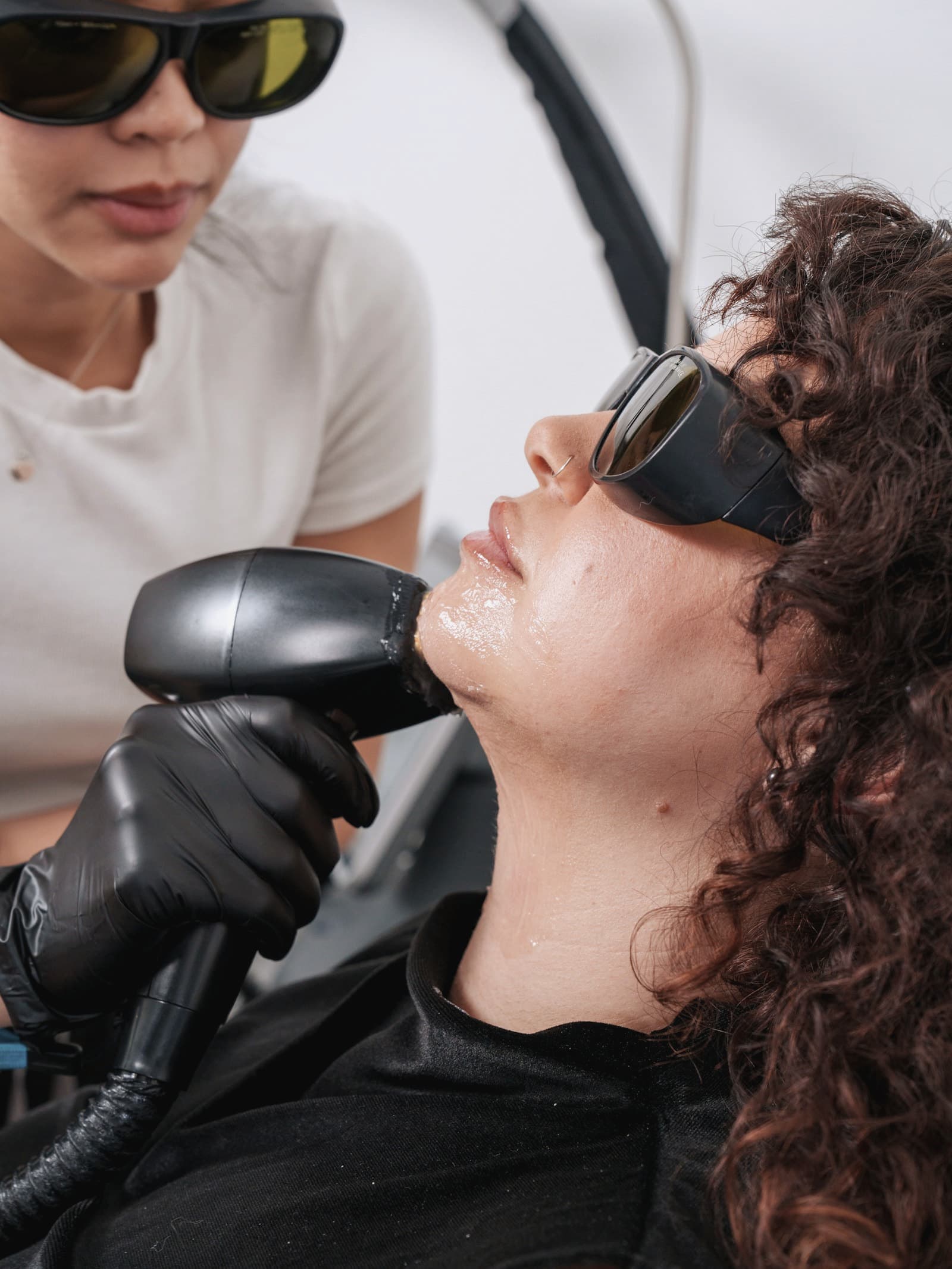
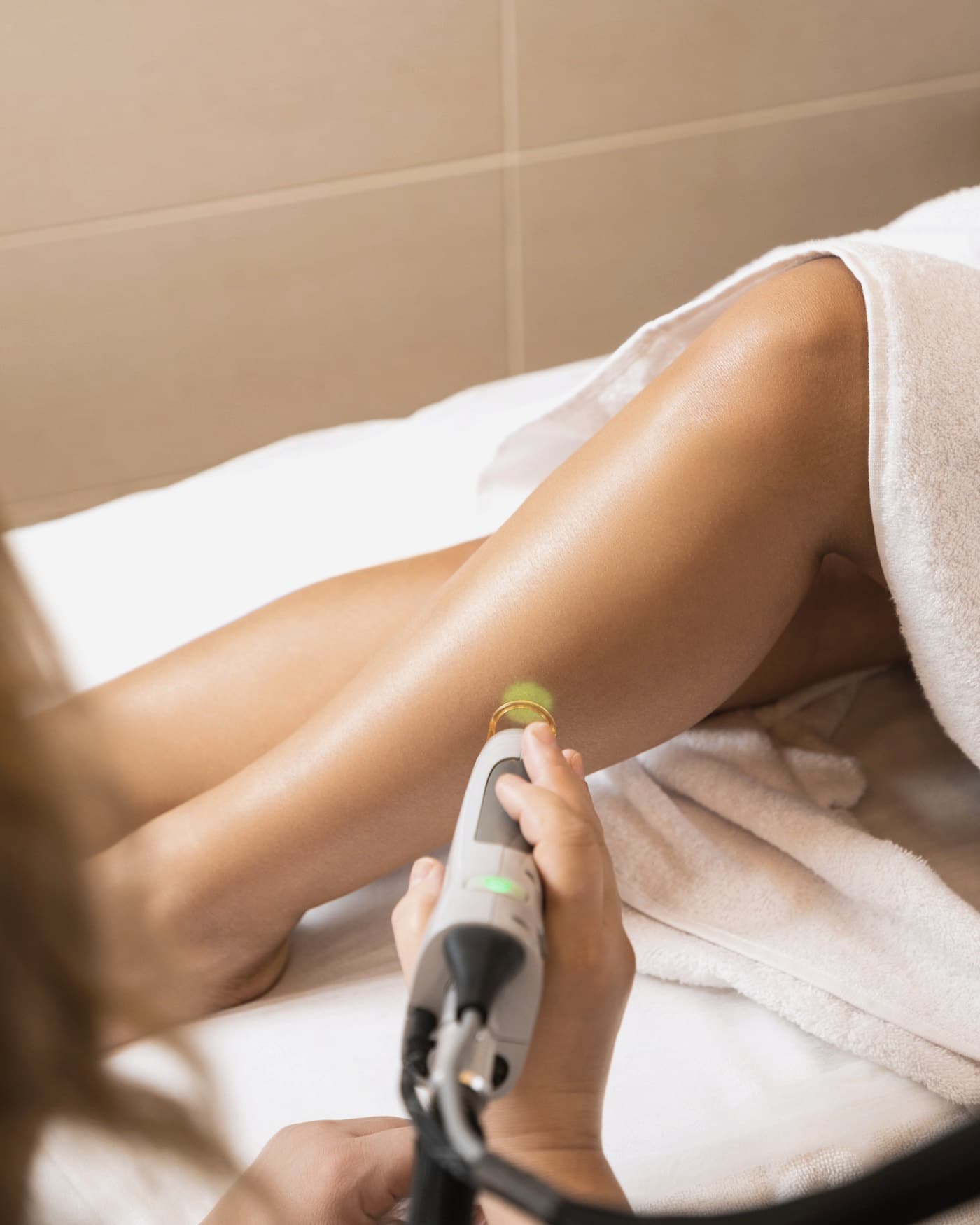
At your consultation, we assess your skin and hair, talk through your health history and usually do a patch test before starting. We use Candela laser technology, and your specialist chooses and adjusts settings for your skin tone, hair and the area.
If you have a skin condition, a history of pigmentation changes, keloid scarring, or take medication that makes skin sensitive to light, talk to us first and, where appropriate, your GP or healthcare professional. Learn more about laser hair removal in Liverpool.
Questions
Is laser safe for dark skin?
Darker skin can often be treated with appropriate settings and careful assessment. Suitability is individual, which is why a patch test is usually done first.
Does laser work on grey hair?
Grey and white hair usually respond poorly because they lack the pigment the laser targets. Talk to your specialist about other options.
Can I have laser if I tan easily?
Often, yes, but avoid tanning around your sessions. A recent tan can change what settings are suitable and may mean moving your appointment.
This guide is general information, not medical advice. Everyone’s skin and hair is different. If you have a medical condition, take medication or are pregnant, speak with our team and your healthcare professional before treatment.